
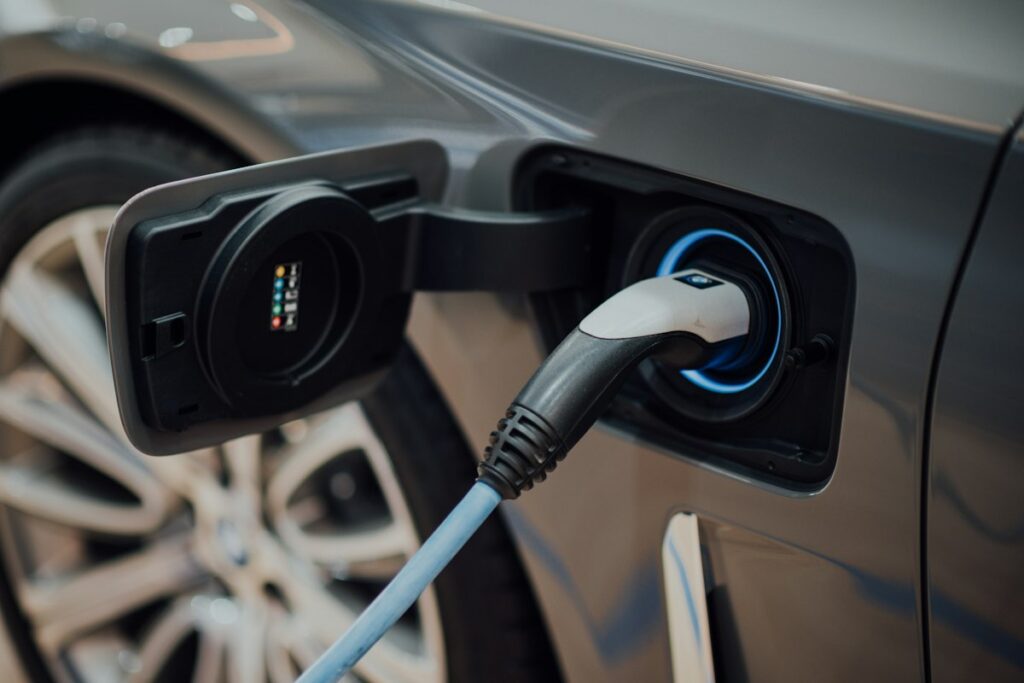
Charging an electric vehicle at home is convenient and usually far cheaper than public charging. It is also one of the largest continuous loads a building will ever carry. Before we fit any charger, our electricians work through a checklist like the one below. Knowing it in advance helps you make better choices about the charger, its position and your budget.
1. Can your supply handle the extra load?
A home charger can draw a heavy current for hours at a time. We look at your incoming supply, the main fuse or breaker rating, and how much power the building already uses at peak times — air conditioners, water heaters and cooking appliances all count. If capacity is tight, a charger with load management can reduce its charging rate automatically when the house is busy.
2. Is there space in the distribution board?
An EV charger needs its own dedicated circuit with suitable overcurrent and earth leakage protection. If the board has no spare ways, or lacks modern protection, a board upgrade may be needed first.
3. Where will the charger go?
The best position is close to where you park, on a solid wall, with the charging cable able to reach the vehicle’s port without stretching across walkways. A shorter cable route from the board reduces cost and voltage drop. Outdoor units must be weather-rated and protected from impact.
4. How will the cable be routed?
We size the cable for the charger’s current and the length of the run, then plan a neat, protected route — through walls, ceiling voids or external containment — that will not be damaged by vehicles, gates or garden tools.
5. What protection does it need?
Because the vehicle is connected outdoors, protection against earth faults is essential. Depending on the charger, that may mean a specific type of RCD and additional earthing arrangements. We follow the manufacturer’s instructions and recognised wiring standards, and test the installation thoroughly before handover.
6. Smart features and scheduling
Many chargers let you schedule charging for off-peak hours, monitor energy use and limit the charging rate. We set these up during commissioning and show you how to use the app.
Why not just use a normal socket?
Occasional top-ups from a suitable socket may be possible, but standard sockets and extension leads are not designed for hours of continuous high current. Connections can overheat, and the risk increases with worn plugs or leads. A dedicated charger is faster, safer and more convenient.
Ready to plan your charging point? Find out more about our EV charger installation service or request a site survey.